

East Tennessee's Recent Flooding: What Back-to-Back Storms Can Mean for Your Foundation
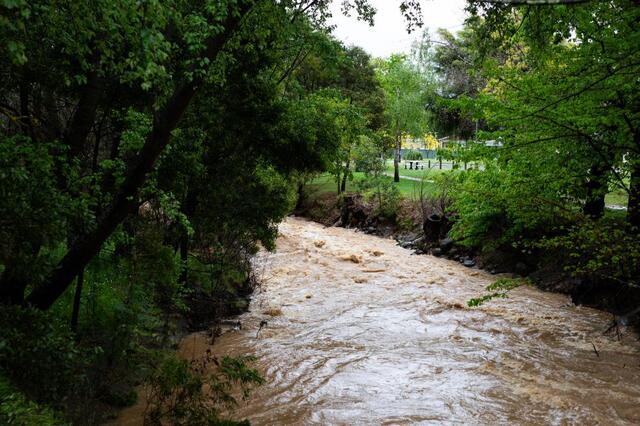
Why Consecutive Storms Matter
One heavy rainstorm can certainly cause problems, but back-to-back storms often create an even greater risk.
Normally, the soil surrounding your home can absorb a certain amount of rainfall. However, when storms arrive one after another, the ground may never have an opportunity to dry out. As the soil becomes increasingly saturated, water can begin collecting around your home's foundation. This excess moisture increases the pressure against foundation walls and can expose weaknesses that may have gone unnoticed during drier weather.
In East Tennessee, where many homes have basements or crawl spaces, prolonged wet conditions can create ideal circumstances for water intrusion.
How Flooding Can Affect Your Foundation
Every home responds differently to heavy rainfall depending on its age, construction, grading, drainage, and soil conditions. However, excessive moisture can contribute to several common issues, including:
- Water entering a basement through wall cracks, floor joints, or cove joints
- Standing water in a crawl space
- Increased humidity that encourages mold and mildew growth
- Wood rot affecting floor joists and support beams
- Foundation settlement or movement caused by changing soil conditions
- Cracks in foundation walls or interior drywall
- Musty odors throughout the home
Not every home will experience these problems after heavy rain, but repeated saturation can increase the likelihood that existing vulnerabilities begin to show themselves.
Warning Signs to Watch For
After periods of heavy rain or flooding, it's a good idea to inspect your home for early warning signs, such as:
- Water stains on basement walls or floors
- Damp carpet or flooring in finished basements
- Standing water in a crawl space
- Musty smells that linger after the rain has ended
- White, chalky residue (efflorescence) on foundation walls
- New or widening foundation cracks
- Water pooling around the outside of your home
- Gutters overflowing or downspouts discharging water next to the foundation
Even if water eventually dries on its own, recurring moisture can indicate a larger drainage issue that should be addressed.
The Importance of Good Drainage
One of the most effective ways to help protect your foundation is by managing where rainwater goes.
Roof runoff should be directed well away from the home's foundation. Gutters should remain clean, and downspouts should discharge water far enough away that it doesn't collect near the base of the home. The ground around the foundation should also slope away from the house whenever possible to encourage proper drainage.
These simple measures can often reduce the amount of water that reaches your foundation during heavy rain events.
When Simple Fixes Aren't Enough
Sometimes improving exterior drainage is all that's needed. In other situations, especially after repeated storms or flooding, water may continue entering the basement despite good grading and properly functioning gutters.
If groundwater is building beneath the home or hydrostatic pressure is forcing water through foundation walls or floor joints, a more comprehensive waterproofing solution may be recommended.
Depending on the home's unique conditions, that could include an interior drainage system such as WaterGuard®, a SuperSump® Sump Pump System to safely remove collected groundwater, a battery backup system for added protection during power outages, or other waterproofing solutions designed specifically for the property.
The right recommendation always depends on the source of the water, the home's construction, surrounding soil conditions, and the severity of the moisture problem. There is no one-size-fits-all solution.
Protect Your Home Before Small Problems Become Bigger Ones
Flooding and repeated storms don't automatically mean your foundation has been damaged. However, they can reveal existing drainage problems or create conditions that allow moisture to find its way into your basement or crawl space.
If you've noticed water where it shouldn't be, new cracks, musty odors, or standing water after recent storms, it's worth having the issue evaluated before it becomes more extensive. Catching drainage and waterproofing problems early can often help reduce the likelihood of more significant repairs in the future.
After periods of heavy rainfall like those East Tennessee has recently experienced, paying attention to your home's warning signs can go a long way toward protecting your foundation for years to come.